

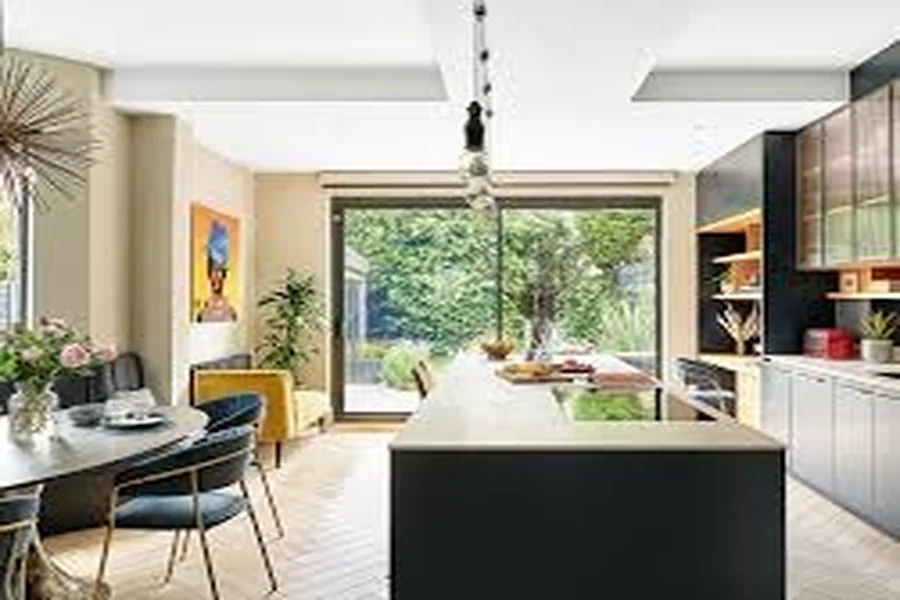
Every kitchen has its quirks, whether it’s a tight corner, a long, narrow layout, or a generous open area. Before diving into new cabinets or splashbacks, take a good look at how your current space functions. Notice where you naturally prepare meals, where clutter piles up, and which areas feel cramped. This kind of observation will help shape a design that makes daily cooking and cleaning easier.
Think Carefully About Your Layout
The layout is the backbone of any kitchen. A common idea is the “work triangle,” which places your sink, stove, and fridge at efficient points for moving between tasks. While that’s helpful, it doesn’t fit every household. Families that cook together might benefit from more than one prep station. Some people prefer extra counter space next to the oven, while others want an island that doubles as a dining spot. The key is balancing movement, access, and storage so the space feels natural to use.
Storage Should Match How You Live
Cupboards, drawers, and shelves aren’t just about cramming everything in. The smartest storage setups consider what you reach for most. Heavy pots are easier to grab from deep drawers, while open shelving can keep everyday dishes handy. Pull-out pantry units, spice racks built into cupboards, and corner carousels can help avoid wasted space. Always think about whether you prefer items tucked away or displayed in the open.
Choose Durable Materials You Actually Like
The materials you pick will be part of your routine for years. Benchtops in engineered stone or stainless steel can handle regular cooking without fuss, while timber brings warmth but may need more care. Cabinet finishes range from glossy laminates to textured mattes, each with its own upkeep requirements. Floors should be chosen with both style and practicality in mind. Tiles are tough, but they can be cold underfoot, while timber or vinyl may feel warmer and softer.
Lighting Makes A Bigger Difference Than You Think
Many kitchens get stuck with just a single overhead light, which leaves shadows where you need clarity. Mixing lighting types works best. Task lights under cabinets brighten up prep zones, while pendant lights add charm over an island or dining area. Don’t forget natural light either. If your kitchen lacks windows, reflective surfaces and lighter colours can make it feel brighter.
Keep Functionality At The Heart Of Style
Trendy colours and finishes might catch your eye, but they should never compromise usability. A matte black sink may look sleek, but it can show marks quickly. Open shelving might feel airy, but it also means regular dusting. Ask yourself: will you still be happy to live with this style after the novelty wears off? Blending timeless finishes with a few trendier touches can strike a nice balance.
Don’t Overlook Professional Advice
Even with clear ideas, expert input can spot things you might miss. For those considering a remodel, working with professionals who specialise in Sydney kitchen renovation services can help avoid layout mistakes, poor material choices, and hidden costs. A good designer or contractor can translate your needs into practical solutions, making sure the end result is not only stylish but also durable.
Budget Smartly Without Cutting Corners
Renovations have a habit of stretching budgets. One way to keep things on track is to prioritise where money should go. Invest in cabinetry and benchtops since they get daily wear, and look for savings in fittings or finishes that can be updated later. It also helps to plan for a buffer because unexpected expenses almost always arise.
Plan For The Long Term
A well-designed kitchen should adapt to your life. Think about whether your household might grow, whether you’ll want space for entertaining, or if you’d prefer to make the area more age-friendly. Small touches like wider walkways, deeper drawers, or adjustable shelves can future-proof the space without making big changes down the line.
Find Inspiration From Trusted Resources
There’s no shortage of ideas floating around, but it can get overwhelming. Turning to guides that explain how to plan a kitchen remodel can help you narrow your options and compare what fits your lifestyle. Once you have a clearer picture, you’ll find it easier to make choices without second-guessing every detail.
Designing a kitchen is as much about comfort and practicality as it is about style. When you focus on how you use the space, choose durable finishes, and plan a layout that makes sense, you end up with a room that works beautifully day after day. Whether you cook for one or for a crowd, a thoughtful design makes the heart of the home a place you’ll truly enjoy.