

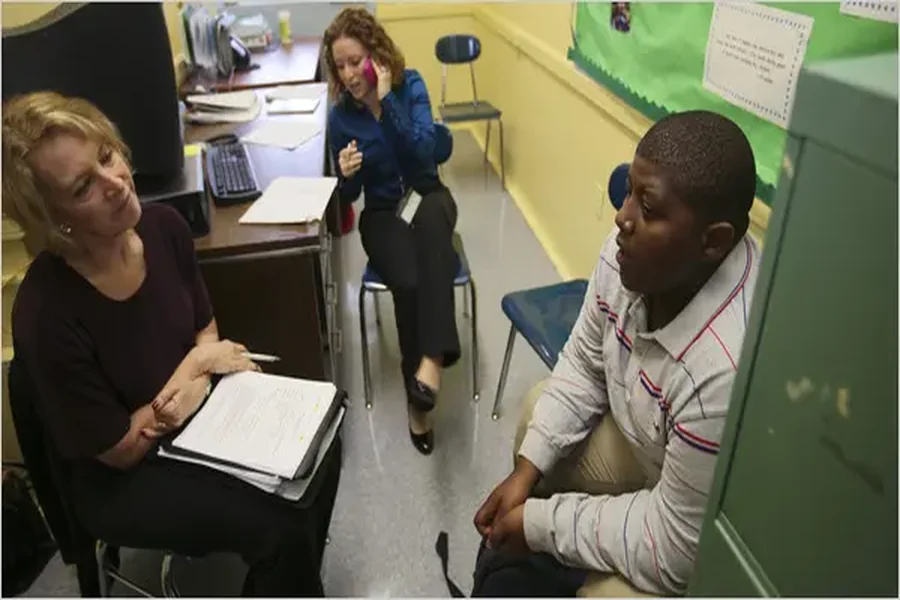
Going to school sounds easy. Be there. Learn. Go. But it becomes tricky quickly for many families. Missed busses, family stress, health problems and money worries all play a part in it. When absences from school turn into a pattern, Kansas City truancy court gets involved. It’s about accountability, but it’s also about support.” It is more than punishment. It’s about getting kids back in school and keeping them there,” This approach links schools, families and the court in one line of action. It can seem serious, even frightening, at first. But many cases conclude with support plans, not severe outcomes.
When School Skips Turn Into Court Trips
Truancy is usually a tiny thing at first. A day off here and there, a couple of days. Then it grows up. Attendance is very rigid at schools. If absences are within legal limits, the case may be referred to court. Parents or guardians may be contacted. Students sometimes attend, depending on age. Kansas City employs truancy court to fight repeat absences. The focus is on early action. The goal is simple: solve the problem before it turns into something bigger, like dropping out. You know what? Many families do not even understand how quickly absences add up.
What Happens in Truancy Court?
Court days are formal, but the procedure is very much cut-and-dried. Not messy. First the judge looks at attendance records. The school or officer then discusses the matter. Families speak up. That aspect is important. Then there is a plan. This could include:
- Regular monitoring of school attendance
- Counselor Meetings
- School support programs or transport assistance
- Family check-ins with court professionals.
The judge doesn’t just put out orders and walk away. They examine progress over time often. Less like a punishment system and more like a guided reset.
The Role of Specialty Courts in Kansas City
Truancy court is one of a number of specialized courts. The courts are involved in instances that touch upon more fundamental social issues, not only legal laws. Kansas City Specialty Courts provide education, behavioral and support services to families. They’re about solving problems, not just consequences. School attendance problems often are associated with housing difficulty, mental health or family instability. Specialty courts do understand that. This is where structure meets love. There are still rules. But they bring assistance.
Beyond the Bench: KC and Community Support
The court can’t fix attendance concerns alone. Life is too complex for that. And that’s where Beyond the Bench KC comes in. Beyond the Bench KC is dedicated to raising awareness and community support for the rehabilitative mission of specialty courts. And they also feel that real justice is correcting core issues. Sometimes a student misses school for something more serious. Maybe nervousness. Perhaps a family crisis. Lack of transport perhaps. These are no trivial things. Support programs might include:
- Student Mentoring
- Family advice sessions
- Links to community resources
- Motivation to stay focused
It’s not just hearings and paperwork. It’s people helping people stay steady.
The Importance of Attending
School attendance is important for later results. That’s not simply a slogan. Regular attendance helps kids develop stronger reading abilities, improved math fundamentals and increased confidence. Missing school breaks that interrupt the routine. Missing a few days a month can build up fast. Then it’s not long before catching up feels like climbing a hill with no top. Families get trapped a lot. But the system is designed to step in early enough to change course.
Challenges for Families
Let’s be honest. But attendance isn’t always a decision. Some families cope with:
- Housing insecurity
- Health condition.
- Caring for siblings or elders
- Transportation problems
- Stress at school or bullying
Every circumstance is different. Truancy court seeks to see the whole picture. That said, families occasionally feel the squeeze. That strain is real. It is not easy to balance accountability with understanding.
The goal is change in the long run
Kansas City truancy court is about more than just correcting the absence today. It’s about developing habits that stick. When support systems are working well, pupils are in school and engaged. Parents are less isolated. Schools are in greater contact with parents. Sometimes it’s a slow road. But slow progress is better than quick remedies. Little wins matter. Even attending one week might be a huge step forward.
FAQs: Kansas City Truancy Court and School Attendance Enforcement
- What begins a truancy court case in Kansas City?
A truancy case usually starts with a student having many unexcused absences from school. Schools take attendance every day. If a pupil exceeds a legal limit, the school will make a referral. Then parents are told. It’s better to catch it early before it snowballs.
- Do both parents and students have to go to truancy court?
In most circumstances, parents or guardians are needed to be present. Students may also attend depending on their age and situation. The court wants everybody who was part of the same scheme. This helps clarify expectations around school attendance and family support steps.
- Is truancy court solely punitive?
No, it’s not just about punishment. The court views support and accountability as one. They often provide attendance plans, counseling choices and resource aid for families. Instead of just handing down sanctions, the court has to monitor progress over time.
- How can Kansas City Specialty Courts can help with truancy cases?
Kansas City’s specialty courts handle situations that are connected to underlying life problems. They link families to programs, monitor progress, and re-engage children in school. The idea is to tackle underlying issues such as stress, housing or health problems that impact on attendance.
- What is the function of Beyond the Bench KC in these cases?
Beyond the Bench KC supports community awareness and assistance for families in specialty court programs. They provide coaching, materials, and support to promote long-lasting transformation. They help families grasp the system and stay involved in positive steps forward.